
RECRUITS RESOURCES

TO LEARN, TO SERVE, TO ADVANCE
- to develop in youth the attributes of good citizenship and leadership;
- to promote physical fitness;
- and stimulate the interest of youth in the sea, land, and air activities of the Canadian Forces;
DRILL, DRESS AND DEPORTMENT
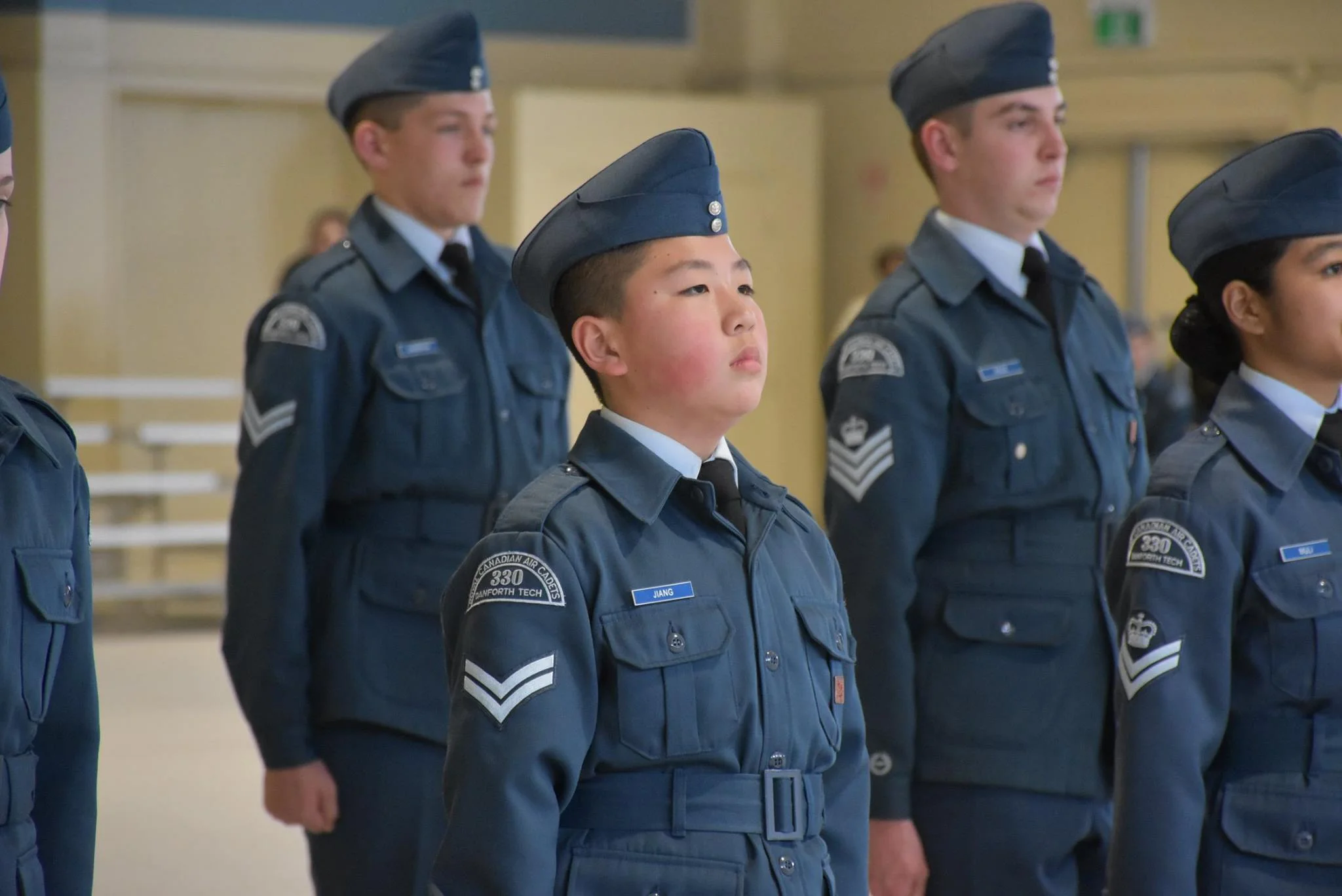
cadet code of conduct
All cadets are expected to obey the rules outlined in the Code of Conduct.
What is a code of conduct? It’s a document that outlines appropriate and respectful behaviour expected from all that join a squadron. The Do’s and Don’t’s, so-to-speak.
Each cadet when they join 330 (or any squadron/corps) reads and signs this document, understanding that they will act in accordance with the rules outlined.
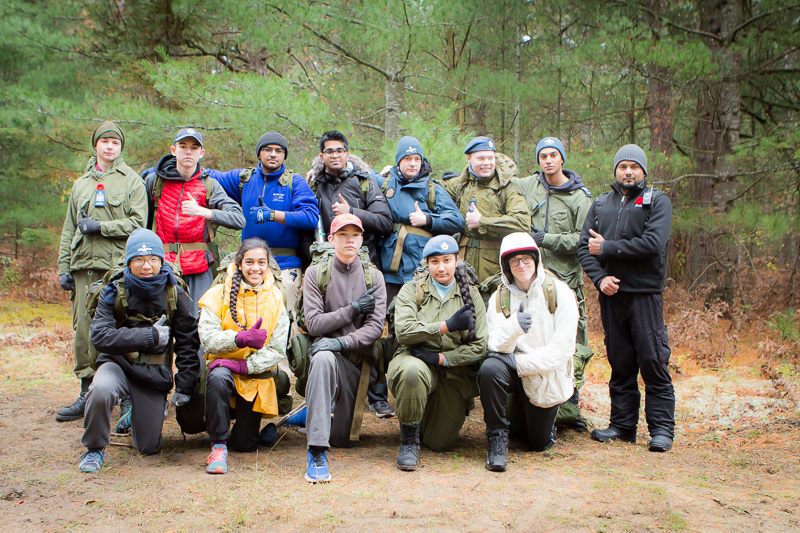
CADET EXPECTATIONS
All cadets are expected to meet certain requirements. As recruits, you’re biggest requirement is to show up.
Attendance expectations: Family issues, sickness and other circumstances notwithstanding, cadets are expected to meet a minimum attendance of 60%. Your goal however, should be to attend greater than 75%. What does that mean in terms of days? Every Wednesday and majority of weekend activities.
Learning Expectations: The program is very much a structured one that touches on multiple aspects of life.

Cadet Training - Performance Objectives
The cadet program is all about training and developing youth in a variety of topics and manners. Part of the training is meeting certain checkpoints annd milestones. For each year of attendance, is a corresponding level of training. As cadets progress through the program, expectations shift. However, regardless of the cadet's experience and training, certain aspects remain the same throughout the cadet's career. They are:
- 60% attendance minimum*
- Passing of required Performance and/or Enabling Objectives, as outlined in each level's IG/QSP
- Attendance of field training opportunities
- Active participation in the program
- Excellent Drill, Dress and Deportment
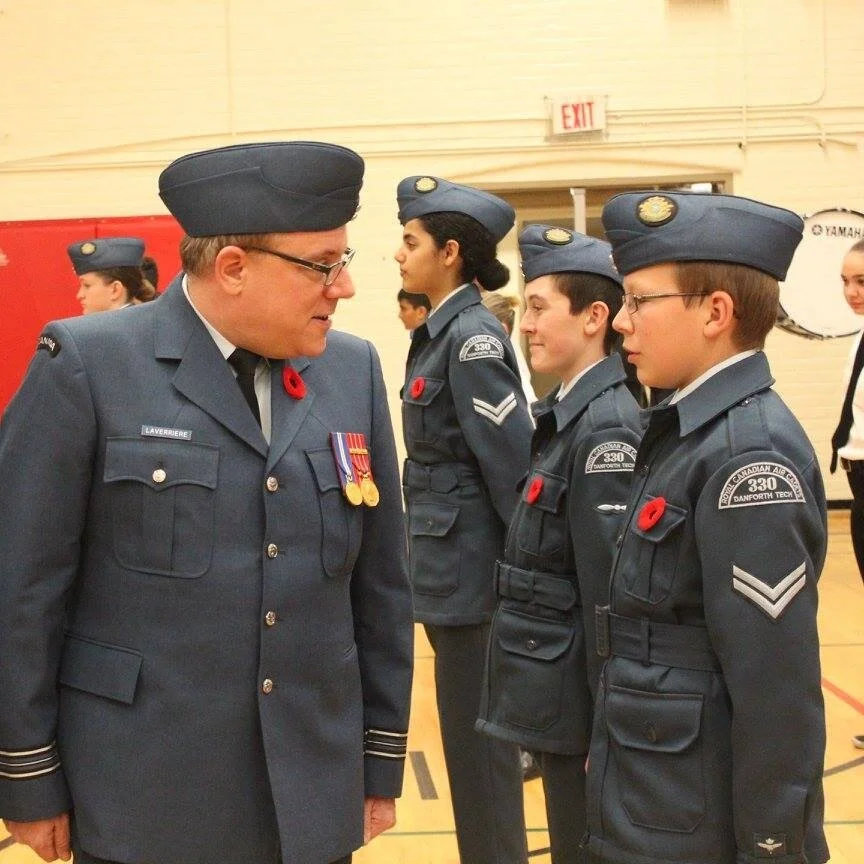
uniform agreement
If there’s anything that brings us together, provides a strength of unity, it’s our uniform. The uniform isn’t just a collection of clothing articles. It’s a source of pride. A source of identity.
Maintain it properly. Wear it proudly.
How do you maintain it? How do you wear it proudly? By going to our Uniform page and reading the CJCR Dress Regulations. (Link below)
KEEPING INFORMED
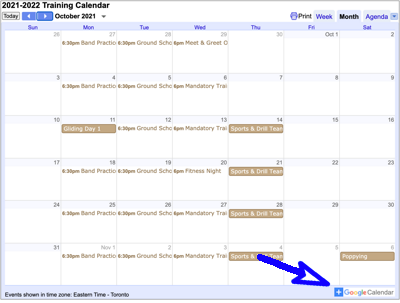
SQUADRON CALENDAR
KEEP UP TO DATE! Subscribe to the squadron calendar via the Google Calendar button at the bottom of the Calendar on the calendar page. (Indicated by the blue arrow in the picture to left). To add the calendar, click on the blue plus symbol. This will make your browser open the calendar. When it does, a pop-up window will appear with the words “Add Calendar” and “2021-2022 training calendar” - press the Add button.
If you use a google login (gmail) it will automatically add the calendar to yours.
Be sure to check the calendar, social media and google classroom regularly, as each outlet has different features.

SQUADRON FACEBOOK
While it is currently unavailable for maintenance, the Squadron facebook is a great source for quick access to activity information and reminders of upcoming events. We also use the facebook page for activity recaps. Be sure to hit "LIKE" on the facebook page to subscribe.
HEALTH AND SAFETY
PERSONAL SAFETY AND SECURITY
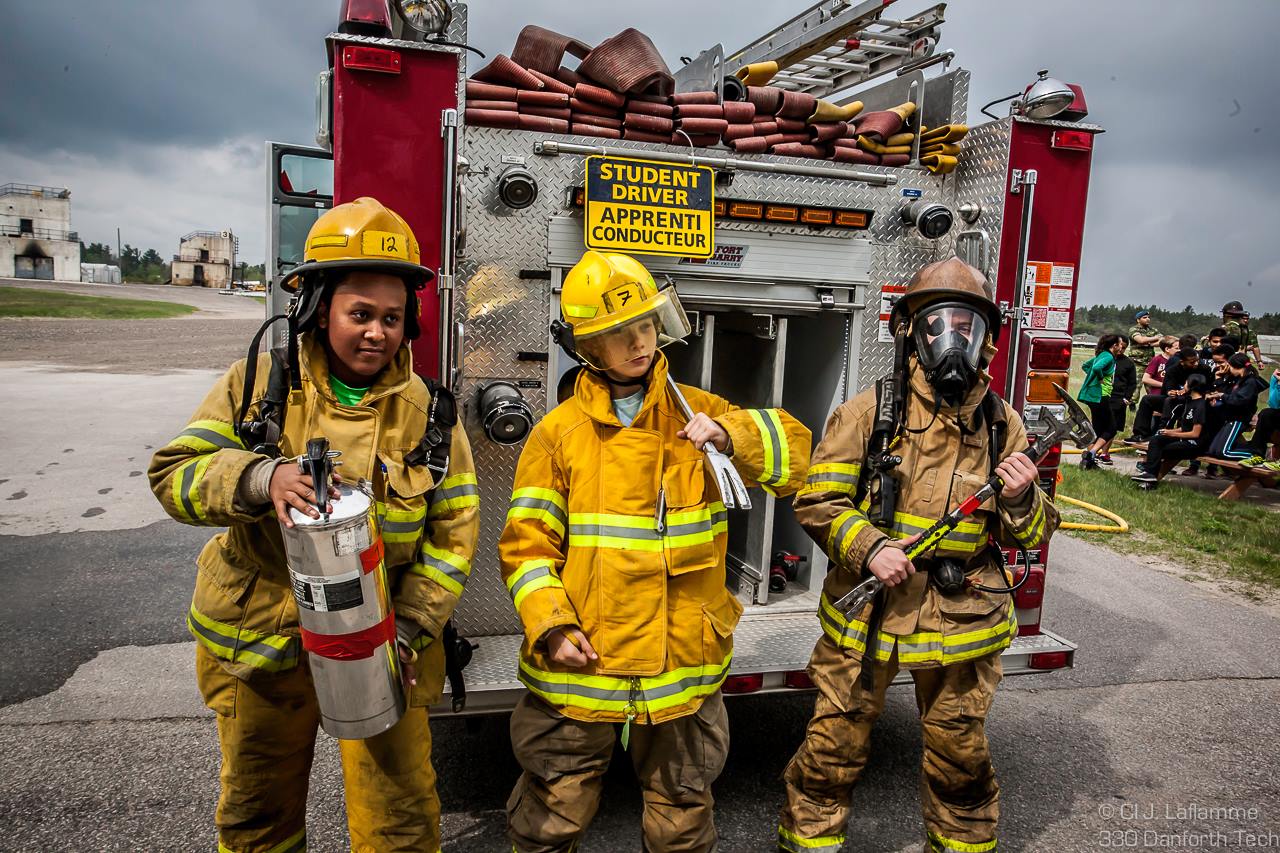
Your safety is of the highest importance. There are a few rules that guide us. Personal space is to be respected. A senior cadet or officer never asks a junior to do something they wouldn’t do themselves. And, you can always let someone higher up that you are not comfortable doing something.
SYMBOLS, ACRONYMS, AND MORE
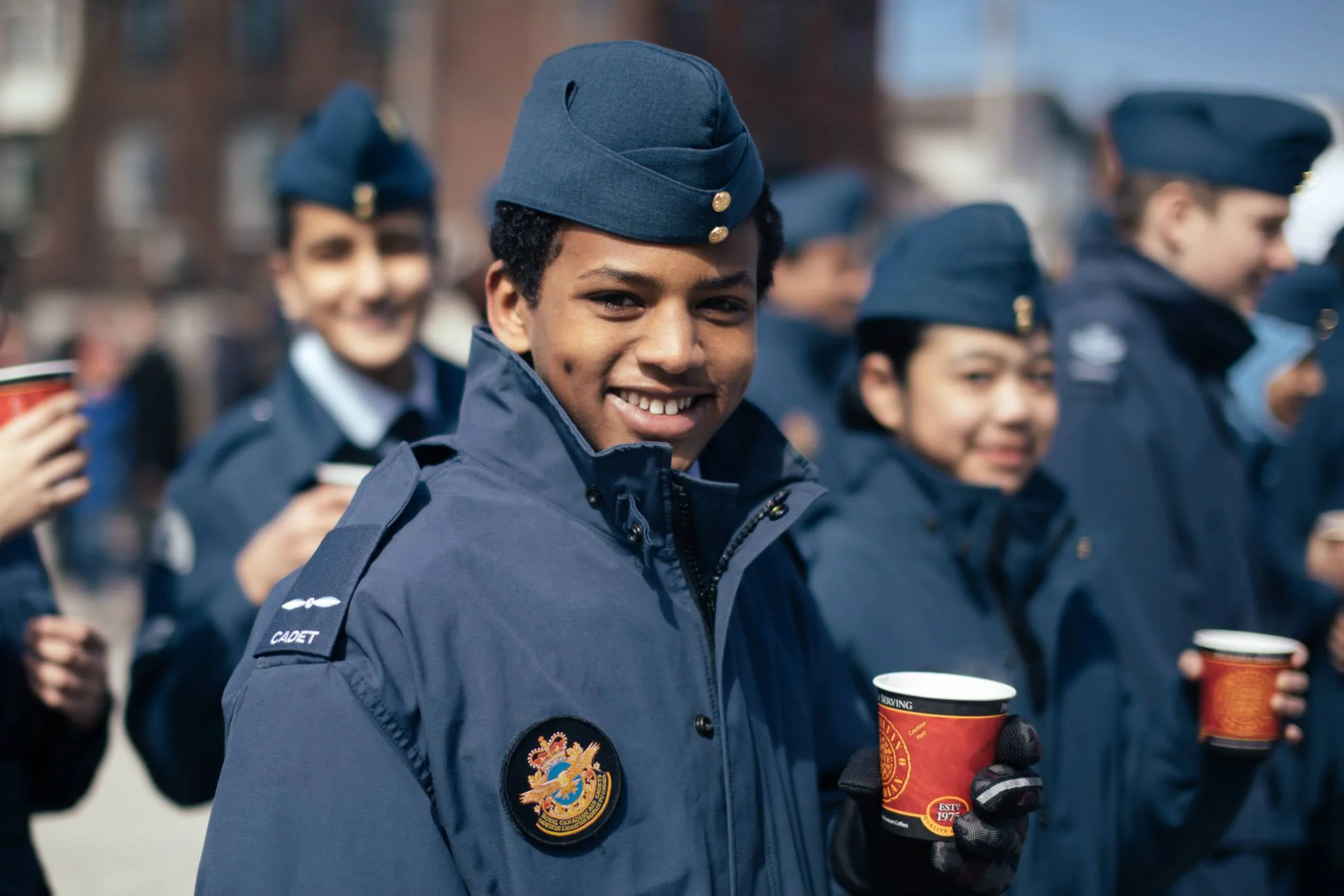
Yes… this is WO2 Teferi when he was an LAC
Every great leader was once a follower…
When you join a squadron, there’s a lot to learn in a few short weeks. Everyone has one role or another. Your role, as a new recruit, is to learn and follow.
Cadets that are responsible for helping you learn and follow - their role is to help you do both of those things.
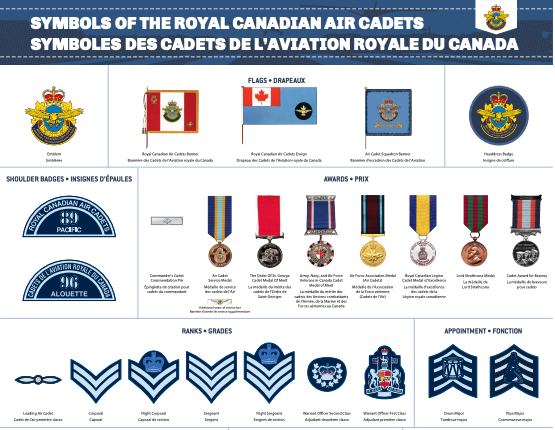
But what about those symbols on their arms?
Badges, Medals and More
Sometimes seeing something is easier to understand than reading about it. Check out this amazing poster that shows all the badges, medals and accouturements a cadet can earn.
CLICK HERE TO SEE FULL SIZE FOR AIR CADETS
LATE JOINER POLICY
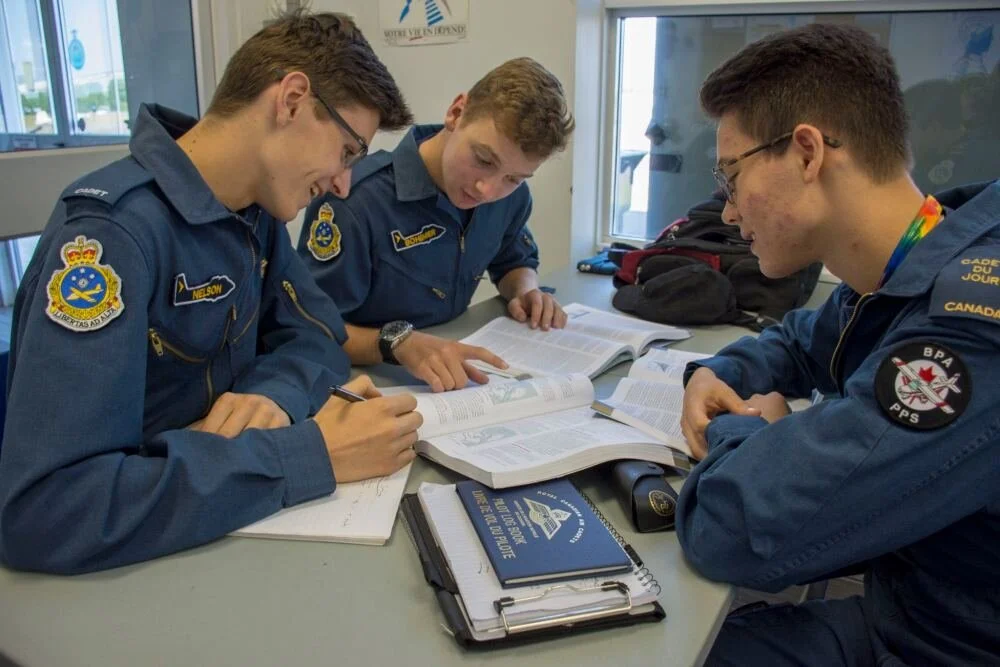
Sometimes a recruit hears about the amazing program we offer later in their teenage years. To make up for the missed opportunities, we offer a late joiner accelerated training program. This program is available to cadets who meet the requirements as outlined in the Late Joiner Policy.
6. After the initial assessment of a new cadet has been completed, his age shall determine the highest proficiency level in which he may start training. The options are as follows:
a. cadets who join at 12 years old shall start training in level one;
b. cadets who join at 13 years old:
(1) should normally start training in level one, or
(2) may have their progression accelerated and start training in level two if they turn 14 years old before 1 September of the next TY and the initial assessment concludes that it would be beneficial for them;Note: eligibility is determined electronically by the cadet administration software.
For more information, please see the Recruit or Admin officer.

CONTACTS - WHO AND HOW
Each of the officers are responsible for certain parts of the squadron. Knowing who to contact is key to getting the answer you need, in a timely fashion. Anything of urgent and/or confidential nature should be done through email. Please do not use Facebook messenger.
Joining packages and other paper work = Admin Officer(s)
Regular Wednesday night training and weekend activities = Training Officer
Level training = Level Mentors/Officers
Open House and Recruiting = Recruit Officer
Uniforms, Badges, Equipment, etc. = Supply Officer(s)
Lottery books, Canteen, Tagging = SSC
Range Safety = RSO
All other inquiries = use the info@330 email.
All emails can be found on the Staff page.
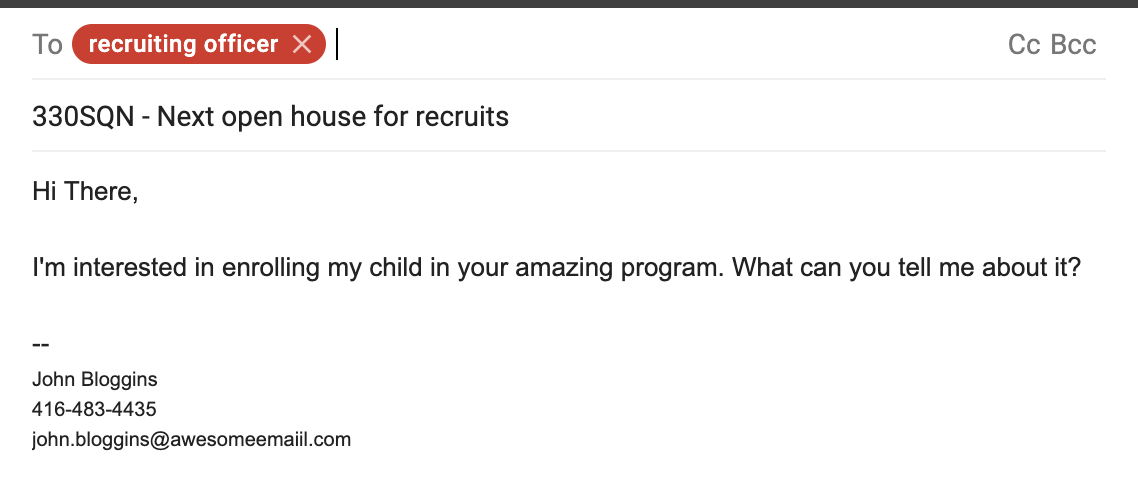
When emailing, use brief summary in subject line.
EXAMPLE:
GLOSSARY

Cadet Terms
What does that mean??? Here are a few terms you might hear at Cadet Activities. This list is not definitive.
- ACR - Pronounced “Ay-Cee-Arr”; the ACR is the mandatory annual ceremonial review parade conducted at the end of every training year, in late May or early June.
- C1A - Pronounced "Cee-Wun-Ayy", this is one of the uniform standards a cadet might be required to wear.
- C3B - Pronounced "Cee-Three-Bee", this is one of the uniform standards a cadet might be required to wear.
- Cadet - Any adolescent member of a squadron or corps
- CAF - Pronounced as either "Caf" or "the Cee-Ay-Eff", this is shorthand for the Canadian Armed Forces. Sometimes it might be shortened to just "CF" (Canadian Forces)
- CAF-Famil - Canadian Armed Forces familiarization -- typically a tour held at either CFB Trenton or CFB Borden
- CANEX - A general store found exclusively on CFBs, where a member can purchase items for personal use
- CATO - the body of Cadet Administrative and Training Orders. It's in the CATOs that various types of organizational policies and standards are laid out. These policies are slowly being replaced by newer CJCR Sp Gp O's.
- CFB - Pronounced "Cee-Eff-Bee", a CFB is a Canadian Forces Base.
- Chain of Command - The hierarchy of cadets and staff at a squadron or corps
- Change of Command - A special ceremony conducted every three to four years, when command is handed over from one
- Closing Parade - At the end of a training night, this is when Cadets form up for announcements, promotions, awards and other smaller ceremonial observances.
- CI - Pronounced “Cee-Aye”, they are a Civilian Instructor
- CJCR - Pronounced as "Cee-Jay-Cee-Arr", this is shorthand for Cadets and Junior Canadian Rangers, which are all parts of the best youth development program in Canada... naturally. ;) Did you know there's a CJCR App?
- CO- Pronounced "See-Oh"; The Commanding Officer of a cadet squadron
- Code of Conduct- The document signed by all cadets upon registration that outlines the expected behaviours
- CSTC - Pronounced as "Cee-Ess-Tee-Cee", this is shorthand for Cadet Summer Training Centre.
- Drill - the coordinated/coreographed movement of cadets while on the parade square. While primarily used on the parade square, it is also used to move cadets between training locations in an organized and orderly manner.
- DHQ - The Detailed Health Questionnaire - this document further expands on any issues that might have been brought to attention during the joining process. This document is a document is only submitted to cadets and parents for completion when further information is required for a health issues, such as allergies or other limitations. All information collected therein is protected, and parents are to submit via mail to the regional headquarters (RCMLO).
- Flight - A unit or grouping of cadets while on the parade square. Typically used at opening and closing Parade
- FLOOR - Classroom control statement - Focus, Listen, Offer, Opinion, Respect
- FTU - Pronounced “Eff-tee-yuu”, this is the olive drab Field Training Uniform cadets wear during more hands-on, practical activities (such as FTXs)
- FTX - Pronounced “Eff-Tee-Ecks”, these are weekend training exercises held off site in the field (either in a park, conservation area or at Canadian Forces Base).
- Glider - The unpowered aircraft used by the Air Cadet program to demonstrate the basics of flight theory, in a hands-on and practical manner
- Instructional Guide - (aka the IG or IGs) The guidebook for all cadet instruction. Each level has it’s own Instructional Guide that provides cadets with the necessary content to instruct a lesson
- "Lef-tenant" - the canadian pronounciation of the rank of Lieutenant
- "LT" - Pronounced as "El-tee", this is slang for Lieutenant
- "2Lt" - Pronounced as "Two El-tee", this is slang for Second Lieutenant
- Mandatory Training - Any and all training that is required for a cadet to meet their training objectives, as outlined by the level program [the Instructional Guide (IG) and Qualification Standards and Plan (QSP) combined]
- MRB - Pronounced “Em-Are-Bee” and standing for Merit Review Board, this is the activity and process by which cadets are selected for promotion to Warrant Officer. A similar process is used for the selection process for advanced summer training courses.
- Opening Parade - At the beginning of a training night, this is when Cadets form up for attendance and announcements.
- Optional Training - Any training activity that is related to mandatory training, but is not necessarily required. This includes Band, Drill Team, Marksmanship, Debate, Effective Speaking and Biathlon. While optional, participation in these activities can be a requirement for promotion(s).
- Parade Square - The enclosed area where a cadet squadron or corps conducts their parades and drill lessons. Gymnasiums, Legions, Banquet Halls and other large open spaces are often used as Parade Squares
- Qualification Standard and Plan - (aka The QSP) The guide lining document from which all training flows.
- Rank - any particular position or official position or standing in both the cadet program or Canadian Forces: the rank of captain.
- RCAF - Pronounced as "Ar-Cee-Ay-Eff", this is shorthand for Royal Canadian Air Force, of which uniformed squadron staff are members.
- Regular Training Year - Any training that is provided between September and June. This includes both weekly training nights as well as optional/compulsory activities held on weekends.
- Repository - The file page on either the 330 squadron webpage, or in the Cadets Canada portal
- ”ROOM” - A stand-to for classrooms, all cadets cease current activities and come to attention until told to “relax” by the instructor/senior cadet/officer
- Squad - Smallest formation or grouping of cadets (typically less than six members) on or off the parade square
- SSC - pronounced “Ess-Ess-Cee”, this is the body of adult volunteers that coordinate everything outside of training. They are our local representatives to the Air Cadet League of Ontario
- Summer Training - (Optional) Training courses offered in July and August as part of cadet learning. These courses provide extra and extended training to what is offered during the regular training year
Don't see a term here that you heard at cadets? Know a term that isn't listed? Let us know!